
The Regret That Went Viral: When a Woman’s Second Thoughts About Her Ex Spark a Debate About Love, Standards, and Timing
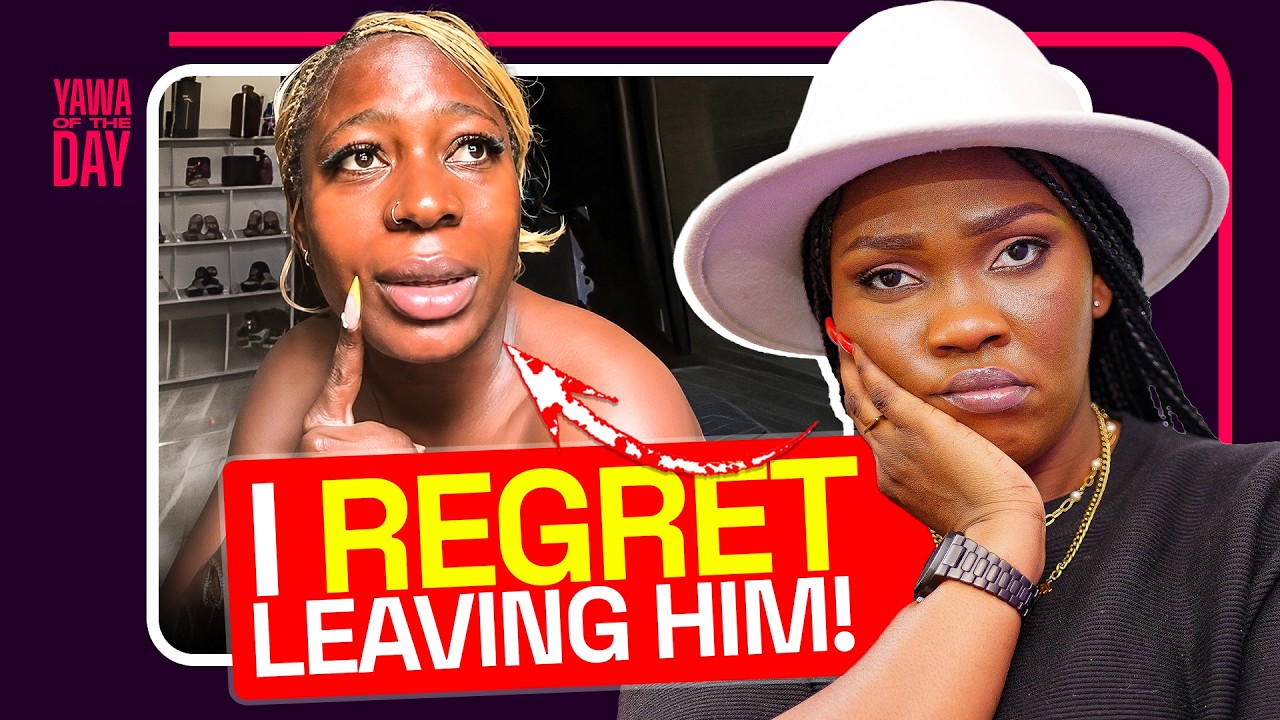
A social media confession that has captivated audiences across TikTok and sparked heated debate on popular discussion platforms reveals a deeply human story about romantic choices, missed opportunities, and the complex psychology of relationship decisions. The narrative, which centers on a woman’s public acknowledgment of regret after learning her ex-boyfriend is getting married, has become a focal point for broader conversations about what constitutes a “good man,” how women evaluate romantic partners, and whether the grass is truly greener on the other side of a breakup.
The story itself unfolds with a clarity that makes it relatable to many who have experienced similar romantic crossroads. Eight years ago, in 2018, a woman made the decision to end her relationship with a boyfriend she had come to view as insufficient for her aspirations. The breakup was not precipitated by infidelity, abuse, or fundamental incompatibility, but rather by a subjective assessment that he simply was not good enough. She harbored hopes that somewhere out there existed a man who would be superior in ways that mattered to her, whether in ambition, financial status, personal qualities, or some combination of factors. With this belief in mind, she chose to leave and pursue what she imagined would be a better romantic future.
For nearly a decade, that better future apparently did not materialize. The woman navigated the dating landscape without finding anyone who met her elevated standards or matched the qualities she believed she was seeking. Then, a few months before the viral confession, she made a decision that many relationship experts would recognize as fraught with potential complications: she reached out to her ex-boyfriend. The initial contact was tentative, perhaps testing whether old feelings might be rekindled or whether circumstances had changed in ways that might make reconciliation possible.

The ex-boyfriend’s response was measured and gracious. He harbored no resentment toward her, expressed no lingering anger about the breakup, and responded to her outreach with civility and kindness. However, he also delivered news that would prove devastating to her emerging hopes: he had moved on. He was now in a committed relationship with someone else and was preparing to marry within a matter of weeks. The timeline suggests that he had not spent the intervening eight years pining for his ex-girlfriend but had instead built a life with someone new, someone who apparently appreciated what he had to offer.
The woman’s response to this news was visceral and public. She posted on social media expressing profound regret, acknowledging that she had made a terrible mistake in leaving him. She lamented that he was the only truly good man she had ever dated, a statement that carries significant weight given that eight years had passed and she had presumably encountered other romantic partners. She wished aloud that she had not “acted badly” and lost him, framing her breakup decision as a personal failure rather than a deliberate choice based on her assessment of his inadequacy.
This confession ignited a firestorm of debate on the platform where it was shared and subsequently discussed on the Kwadwo Sheldon Studios program. The discussion revealed fundamental disagreements about female psychology, romantic decision-making, and the standards by which women evaluate potential partners. The debate itself became as interesting as the original story, with different participants articulating competing perspectives about what the woman’s behavior revealed about her character and motivations.

One faction of commentators, primarily male voices in the studio discussion, interpreted the woman’s actions as evidence of selfishness and greed. From this perspective, her decision to leave a good man eight years earlier was not based on any genuine incompatibility or legitimate concerns about his character, but rather on a desire to trade up for someone wealthier or more impressive. The fact that she had not found anyone better in eight years was, according to this interpretation, not a sign that she had been unlucky in love but rather evidence that her standards were unrealistic or misaligned with reality. These commentators suggested that many women operate according to a similar pattern: they leave decent men in pursuit of wealthier or more impressive partners, only to discover that money and status do not guarantee good treatment or genuine care. When those wealthier men prove disappointing, the woman’s thoughts turn back to the “good man” she left behind, but by then it is too late.
This perspective carries an implicit critique of female romantic agency and decision-making. It suggests that women are prone to making poor choices based on superficial criteria, that they overestimate their ability to find something better, and that they fail to appreciate what they have until it is gone. The narrative implies a certain inevitability to female regret and a predictable cycle of women leaving good men for worse alternatives, only to rue their decisions years later.
However, another perspective emerged from female participants in the discussion, most notably from Erica, who offered a more nuanced interpretation of female romantic decision-making. From this viewpoint, the woman’s decision to leave her ex-boyfriend eight years earlier may not have been based on greed or a desire to trade up for wealth, but rather on a legitimate assessment that he represented a kind of romantic dead-end. Perhaps he was a good man in the sense that he was kind, attentive, and caring, but he lacked ambition or drive. Perhaps he was content with a modest life and showed no signs of wanting to grow or achieve more. From this perspective, a woman might reasonably decide that she wanted a partner who shared her aspirations or who demonstrated the motivation to build something greater together.

Erica’s framing of what constitutes a “good man” emphasized character traits and behavioral patterns rather than financial status. A good man, in her view, is someone who demonstrates genuine care, who asks how you are doing, who prioritizes your well-being, and who treats you with consistent respect and affection. These qualities, she argued, are distinct from and more important than wealth or status. However, she also suggested that a woman might reasonably want more than just kindness; she might want a partner who shares her vision for the future or who possesses the drive to build something together.
This debate touches on fundamental questions about romantic compatibility and the criteria by which people should evaluate potential partners. Is it reasonable for someone to leave a kind, caring partner because they lack ambition or because the relationship feels stagnant? Or does such a decision represent an unrealistic search for perfection that inevitably leads to regret? Is the woman in the viral story a victim of her own unrealistic standards, or is she someone who made a reasonable choice that simply did not work out as she hoped?
The discussion also raises questions about timing and life trajectories. Eight years is a significant span of time during which both the woman and her ex-boyfriend were presumably growing, changing, and developing as people. The ex-boyfriend apparently used that time to build a successful relationship that led to marriage. The woman, meanwhile, did not find anyone she considered better. This divergence in outcomes might suggest that the ex-boyfriend possessed qualities that made him attractive to others and capable of building a lasting relationship, even if the original woman did not recognize or appreciate those qualities.

The viral nature of this story has transformed what might have been a private moment of regret into a public referendum on female romantic decision-making. The woman’s confession has become a data point in broader arguments about gender, relationships, and the consequences of romantic choices. Some see her as a cautionary tale about the dangers of unrealistic standards and the importance of appreciating what you have. Others see her as someone who made a reasonable choice that simply did not work out as planned, a common experience in romantic life that deserves sympathy rather than judgment.
What remains clear is that the woman’s story resonates with many people because it touches on universal experiences of romantic regret, the difficulty of knowing what you want in a partner, and the painful reality that good people sometimes end up with the wrong partners or miss opportunities with the right ones. Whether her regret stems from genuine recognition that she made a mistake or from the more superficial realization that she could not find anyone better remains ambiguous, and that ambiguity is precisely what makes the story so compelling and debatable.

The Kwadwo Sheldon Studios discussion of this viral moment demonstrates how personal romantic narratives can become vehicles for exploring larger questions about gender, relationships, and social dynamics. The debate itself, with its competing interpretations and passionate arguments, reflects genuine disagreements about how people should make romantic decisions and what those decisions reveal about character and values. For viewers and readers encountering this story, it serves as a mirror in which to examine their own romantic choices and the standards by which they evaluate potential partners, a function that explains why such stories continue to captivate audiences and generate intense discussion across social media platforms.
Disclaimer : This content may be created by AI for entertainment purposes. Any resemblance to real persons, events, or places is coincidental.
